How a Pizza Restaurant Masters Both Dine-In and Delivery
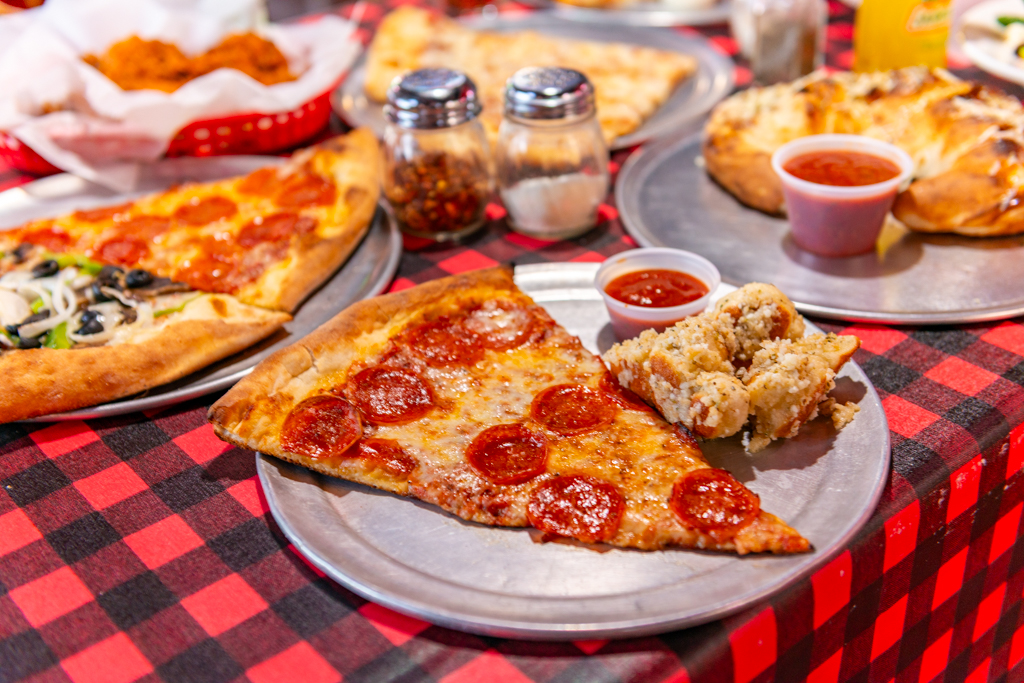
A busy pizza restaurant lives in two worlds at once. In one, guests settle into booths, split salads, linger over a second drink, and expect hot pies to land on the table with the right balance of pace and attention. In the other, customers tap a phone screen, track an order, and judge the entire experience by accuracy, temperature, speed, and whether the crust still has life when the box opens.
Those two businesses share an oven and a menu, but they do not run on the same clock.
That is where many operators get into trouble. They assume great pizza is enough. It is not. A strong pie is the starting point, not the system. Mastering dine-in and delivery at the same time requires menu design, kitchen choreography, staffing discipline, packaging judgment, and a clear understanding that what feels seamless to the guest is often the result of dozens of small operational decisions made well.
The best pizza restaurant does not treat delivery as a side hustle or dine-in as a legacy format. It builds both channels deliberately, with respect for what each one needs.
The dining room and the front door are asking for different kinds of excellence
Dine-in service is judged in layers. Guests notice the greeting, the wait for water, the timing of appetizers, whether the room feels clean and energetic, and whether the server reads the table well. A family with young kids wants speed and forgiveness. A couple on a Friday night wants a slower rhythm. A lunch guest wants certainty more than ceremony.
Delivery strips almost all of that away. No one sees the lighting or hears the music. The experience narrows to five questions. Was it easy to order? Did it arrive when promised? Was it correct? Was it still hot? Did it feel worth the price?
Because the criteria are different, the operation cannot be managed as if every order were identical. A pepperoni pizza eaten in the dining room seven minutes out of the oven is not the same product as a pepperoni pizza that spends eighteen minutes in a box on the passenger seat of a car. If the restaurant makes no adjustment for that reality, delivery quality drifts fast.
Good operators learn this early. They stop arguing with physics and start building around it.
The menu has to travel well and perform in person
One of the clearest signs of a mature pizza restaurant is restraint on the menu. Not every item deserves to be sold through every channel.
Plenty of dishes look good on paper but collapse in a box. Thin toppings release water. Fried appetizers steam themselves soft. Delicate greens wilt under residual heat. A cream-heavy pasta may be excellent in-house and disappointing fifteen minutes later. The fix is not always to remove those items entirely, but to understand where they belong.
A smart menu separates stars from liabilities. The stars are products that hold heat, maintain texture, and still present well after a drive across town. Thick-crust pizzas usually travel better than ultra-thin styles. Garlic knots, baked wings, toasted sandwiches, and sturdier desserts often perform reliably. On the dine-in side, the restaurant can show off dishes that depend on immediacy, such as blistered crusts, crisp fried starters, or salads that should hit the table the moment they are dressed.
This does not mean the menu needs to become smaller than the market expects. It means each item should earn its place through evidence, not sentiment. A simple test says a lot. Make the food exactly as normal, box it as normal, then open it twenty minutes later and taste it like a customer would. Many owners discover their favorite items are terrible travelers. That is useful information.
Small formulation changes matter too. Cheese coverage, sauce volume, topping distribution, and bake level all affect how pizza survives delivery. A pie that looks perfect coming out of the oven may arrive with a wet center if the sauce is too heavy or if vegetables were not prepped to control moisture. Some restaurants underbake delivery pies to preserve softness. Others give them an extra thirty seconds for structure. There is no universal rule. The right answer depends on dough style, oven type, route times, and packaging. The important point is that the answer should be intentional.
Kitchen flow decides whether both channels can coexist peacefully
The real pressure point is not the recipe. It is the moment a full dining room collides with a spike in online orders.
Most failures happen between 6:00 and 7:30 p.m. On a Friday or Saturday, when the operation has to satisfy people seated in the building and people waiting at home. If tickets arrive in one unmanaged stream, the loudest demand tends to win. Servers start asking where table 12's large supreme is. Drivers crowd the expo station. Third-party courier pickup times slip. The oven fills with whatever got shouted first. Everyone feels busy, yet guest satisfaction drops on both sides.
A better system creates controlled lanes.
The strongest pizza restaurant usually does some version of channel pacing, even if it never uses that term. It may cap online order volume in short intervals. It may quote longer delivery times during peaks instead of accepting every order at once. It may designate a make line section for off-premise tickets. It may assign one expediter to dining room orders and another to takeout and delivery. None of this is glamorous, but it protects the whole house from a fifteen-minute surge turning into a ninety-minute recovery.
The oven itself becomes a strategic asset. Conveyor ovens offer predictable throughput and reduce variation during rushes. Deck ovens can produce exceptional pizza, but they require stronger labor and tighter attention when volume spikes. Either setup can work. What matters is knowing your ceiling. If an oven can realistically handle a certain number of pies per hour while still preserving quality, planning has to honor that limit. Hoping the team can somehow push beyond capacity without trade-offs is not management. It is wishful thinking.
I have seen shops lose an entire weekend evening because they confused sales with success. They kept every online ordering channel open, accepted more tickets than the kitchen could finish cleanly, and spent the night remaking cold pizzas, comping irritated dine-in tables, and refunding delivery customers. The register looked busy. The business got weaker.
Timing is different from speed
Many operators talk about speed as if faster always means better. Guests do care about waiting, but timing is more nuanced than raw speed.
In the dining room, a pizza that appears too quickly can feel rushed if appetizers or drinks have not landed first. A table that is sharing a salad does not want the main course dropped three minutes later. Good service reads pacing. It builds trust.
Delivery works differently. The customer is not watching the meal unfold. They are measuring promise against reality. A quoted forty-five minutes that arrives in thirty-five often feels better than a quoted twenty-five that arrives in forty. Accuracy is part of hospitality. It reduces anxiety, call volume, and complaints.
This is why strong operators obsess over realistic ticket times. They do not post fantasy estimates to win the order and hope the kitchen catches up. They build quote times from actual production and route conditions. Rain, game nights, road construction, and school traffic all matter. So does order mix. Ten cheese pies are not the same workload as ten specialty pizzas plus wings, salads, and desserts.
A pizza restaurant that masters both channels trains its team to think in promises, not guesses. The guest can forgive a lot when expectations are set honestly.
Packaging is not a detail, it is part of the recipe
A pizza box is often treated like a commodity. It should not be.
Packaging is a heat and moisture management tool. It affects texture, aroma, presentation, and even the perception of value. A flimsy box with weak venting can ruin a very good pizza. Condensation softens crust. Toppings slide. Steam turns crisp edges dull. The customer may blame the kitchen when the real failure happened after the pizza left it.
That is why packaging choices deserve testing. Box thickness, vent placement, inserts, liners, and bagging procedures all matter. Some restaurants overbag hot food and trap unnecessary steam. Others skip insulation and lose too much heat in winter. There is a balance. A pie should stay warm, but it also needs a way for moisture to escape.
The same logic applies beyond pizza. Sauces need containers that seal well and stack cleanly. Salads need separation from hot items. Desserts should not absorb savory aromas from the rest of the order. If a brownie arrives smelling like garlic knots, the packaging system failed.
Customers notice these things more than operators sometimes assume. A neat, well-packed order signals care before the first bite. When guests are paying delivery fees, tips, and menu prices that often run higher online, that sense of care is not optional.
Staffing has to match the split personality of the business
The labor model for a dine-in focused restaurant is not enough for a delivery-heavy one, and the reverse is also true.
Front-of-house staff in a strong dine-in operation understand hospitality cues, table turns, upselling without pressure, and recovery when something goes wrong in the room. Off-premise staff need different reflexes. They have to check order accuracy relentlessly, stage bags, manage pickup flow, communicate with drivers, and solve issues before the customer notices them.
The mistake is assuming one flexible team can float everywhere without structure. In slow periods, cross-training helps. During peak periods, role clarity wins.
A restaurant that handles both channels well often has one person whose core job is to protect the handoff. That role may be called expo, packer, takeout lead, or something else, but the function is the same. This person verifies modifiers, confirms drinks and sides, ensures sauces and utensils are included when needed, and sends out food in an organized sequence. One disciplined handoff person can save an extraordinary number of refunds.
Driver strategy matters too, whether the restaurant uses in-house delivery, third-party platforms, or a mix. In-house drivers offer more control over service and brand behavior, but they require scheduling skill, insurance awareness, and enough order density to justify the cost. Third-party couriers expand reach and reduce direct labor, but they introduce another point of failure between kitchen and customer. Many restaurants end up with a hybrid model, using staff drivers in core zones and platforms to handle overflow or outer areas. That can work well if packaging, timing, and pickup communication are disciplined.
The dining room should not feel like a waiting room for delivery couriers
Guests sitting down to dinner should feel like the restaurant was designed for them, not that they wandered into a dispatch center.
This is a subtle but important challenge. A growing delivery business can physically crowd the front of the house. Drivers cluster near the host stand. Shelves overflow with bags. Phones ring. Takeout customers cut across seated traffic. The room starts to feel transactional, even if the food remains strong.
The fix is often layout, not attitude. Separate pickup shelving, a distinct entrance path if possible, clear signage, and a host station protected from courier congestion all preserve the dine-in experience. Even a small adjustment, such as moving takeout staging away from the front door, can noticeably calm the room.
The same principle applies to sound and sight lines. If the first thing a dine-in guest sees is a pile of delivery bags and impatient drivers checking their screens, the mood shifts. Hospitality becomes harder before service has even begun. Great operators understand that channel growth should not cannibalize atmosphere.
Technology helps, but only when it reflects real operations
There is a tendency to believe software will solve friction by itself. Better systems absolutely help, but only when the underlying workflow makes sense.
Integrated point-of-sale and online ordering reduce manual entry errors. Kitchen display systems can route tickets more cleanly than paper. Driver tracking can reassure customers and reduce inbound calls. Inventory tools can help keep key ingredients available across busy weekends. Those are real advantages.
Still, technology amplifies both strengths and weaknesses. If menu modifiers are messy, the digital order flow will be messy at scale. If quote times are unrealistic, automation simply spreads disappointment faster. If the make line has no logic, a kitchen screen does not create one.
The healthiest approach is practical. Use technology to remove repetitive failure points, then train the team to manage exceptions. Because there will always be exceptions. A half-and-half pizza with three substitutions, a large office order due at 12:15, a table celebrating a birthday, a courier who arrives too early, a storm that adds ten minutes to every route, these are normal conditions in a live restaurant, not unusual disruptions.
Quality control has to be visible and ruthless
A pizza restaurant that does both channels well develops a habit of checking finished food with almost repetitive seriousness.
That means looking at pizzas before they leave, not trusting that every bake is fine because the station is busy. It means catching a pie cut wrong, spotting an under-melted cheese patch, remaking a collapsed center, and rejecting a box that sat too long under a heat lamp. It means tasting wings when a new batch of sauce seems off. It means noticing that the Caesar salad portions have drifted over the week because one prep cook is heavy-handed with dressing.
This level of control sounds expensive until you compare it with the cost of inconsistency. A bad dine-in experience may lose a table. A bad delivery experience can lose a household that orders twice a month. Off-premise customers often make decisions quickly and quietly. They do not always call to complain. They simply vanish.
One useful discipline is to review channel-specific complaints separately. If dine-in guests say the service feels rushed while delivery customers say the pizza arrives soft, those are not the same problem and should not be treated as one general quality issue. Patterns matter more than isolated remarks.
Profitability depends on channel math, not just volume
A full restaurant and a screen full of online orders can create the impression that everything is working. Margin tells the truth.
Dine-in tickets usually carry higher opportunity for beverages, desserts, and add-ons, and guests absorb the room costs through their overall spend. Delivery can generate strong volume and keep the ovens full, but fees, discounts, packaging, and remake risk can erode profit quickly. Third-party marketplaces, in particular, reward exposure while taking a meaningful slice.
That does not mean delivery is less valuable. It often improves total sales, broadens the customer base, and protects the business during weather swings or seasonal softness in foot traffic. But it does mean the menu and pricing need to reflect channel economics. A restaurant should know, with some specificity, what a large specialty pie contributes in-house versus through an app after commissions and packaging.
This is where disciplined operators stand apart. They do not chase every sale equally. They promote items that travel well and protect margin. They build family bundles or game-night packages that simplify production and increase average check. They use direct ordering incentives carefully, not so aggressively that they train customers to wait for discounts, but enough to shift repeat business away from the most expensive platforms when possible.
Training should include failure recovery, not just ideal service
Even excellent systems break under real conditions. A driver gets lost. A pie is made with the wrong crust. A six-top arrives without a reservation during a rush. The phone lights up because a thunderstorm slows every route in town.
Restaurants that recover well are usually the ones that planned for imperfect nights. They give staff a framework for fixing problems without drama or delay. The exact policy varies by concept, but the principles are consistent: acknowledge the issue clearly, solve the immediate need, and protect trust with reasonable compensation when warranted.
Customers are often more forgiving than managers fear, especially when communication is fast and human. What they dislike is vagueness, defensiveness, or being bounced between employees who cannot act. A server should know how to handle a delayed pie for a seated table. A takeout lead should know what to say when a courier has not arrived. A manager should know when a remake is wiser than an argument.
That confidence comes from rehearsal and standards, not improvisation alone.
The brand has to feel consistent, even when the experiences differ
A https://zionthjc331.lumenforgex.com/posts/the-ultimate-pizza-restaurant-dining-checklist dine-in guest and a delivery customer do not need the same experience, but they should recognize the same restaurant.
That consistency shows up in flavor, accuracy, visual identity, and tone. If the in-house pizza is generous and bold while the delivered version feels sparse and careless, the brand fractures. If the dining room staff is warm and polished but the takeout process feels chaotic and indifferent, customers notice the mismatch. They may not articulate it that way, but they feel it.
The best pizza restaurant carries its standards across formats. The box design, the order confirmation language, the way issues are resolved, the cleanliness of the pickup area, the precision of the menu descriptions, these are all part of one reputation.
That reputation is built through repetition. Week after week, order after order, table after table.
What mastery actually looks like on a Friday night
It looks less dramatic than people think.
The host greets a family within a few seconds and gives an honest wait time. Online ordering has already slowed slightly because the system hit a preset threshold. The kitchen screens are full but not jammed. One expediter is controlling dine-in orders, another is packing delivery. A large order for a youth team was started early because someone noticed it in the afternoon. Drivers are moving through a separate pickup path instead of clustering at the front. The pizza boxes hold heat without trapping too much steam. A server knows table 24 needs their pie held for four minutes because the appetizers just landed. A manager sees that delivery quote times are drifting and extends them before the phone starts ringing.
Nothing about that scene is accidental.
That is how a pizza restaurant masters both dine-in and delivery. Not with one big trick, but with a hundred operational choices that respect the differences between the two. Great pizza still matters, maybe more than anything else. But the restaurants that sustain both channels over time understand a harder truth. Quality is not just what comes out of the oven. It is what the guest receives, where they receive it, and whether the entire experience feels like someone thought it through.