The Customer Experience That Defines a Great Pizza Restaurant
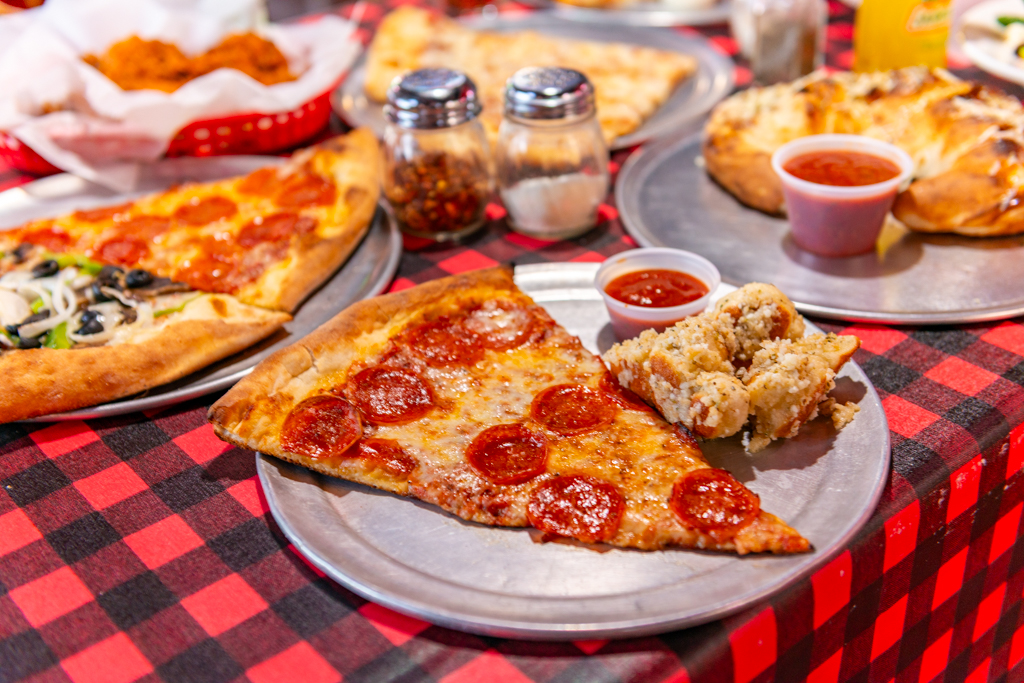

A great pizza restaurant is rarely judged by pizza alone.
People say they are going out for the crust, the sauce, the blistered cheese, or the wood-fired char. Those things matter, and they matter a lot. But ask customers why they keep coming back to one place instead of another, and the answer usually stretches beyond the plate. They talk about how quickly they were greeted, whether the room felt alive or chaotic, whether the server noticed they were sharing, whether the slice held up in the hand, whether the takeout box stayed warm on the drive home. They remember how the place made an ordinary Tuesday feel easy.
That is the core of customer experience in a pizza restaurant. It is not one dramatic gesture. It is the chain of small decisions that shape the meal from the first impression to the last bite. In a category as crowded and familiar as pizza, those decisions create the difference between a restaurant people try once and a restaurant they quietly become loyal to.
Anyone who has spent time in food service learns this early. Pizza is democratic food. Families order it when nobody wants to argue. Friends gather around it after games, shows, and long workdays. Couples split one at the bar because they want something comforting but not formal. Teenagers celebrate with it. Office teams default to it. Because pizza fits so many occasions, a pizza restaurant serves not one customer need but many, often in the same hour. The experience has to hold up for all of them.
The first signal arrives before the first bite
Customer experience begins before anyone smells the dough.
For dine-in guests, the exterior sets the tone. A clean entrance, readable signage, and windows that reveal warmth and activity do more than improve curb appeal. They reduce uncertainty. People want to know, often within seconds, whether a place feels relaxed, rushed, family-friendly, date-friendly, or pickup-only in spirit. A pizza restaurant that communicates its identity clearly makes the guest comfortable faster.
The same is true online. Today, many customers meet a restaurant through a search result, an ordering app, or an Instagram photo rather than through the front door. If the hours are wrong, the menu is outdated, or the pickup instructions are vague, trust erodes before the order even starts. In practical terms, good customer experience often looks unglamorous. It means the phone number works, the photos match the product, allergy information is easy to find, and the guest does not have to guess how large a 16-inch pie really is.
The strongest operators understand that confusion is friction, and friction kills repeat business. If a first-time customer has to work hard to order, park, find the entrance, or interpret the menu, the restaurant is borrowing goodwill it may not get again.
Hospitality is speed with a human face
In a pizza restaurant, pace matters. But speed without warmth feels mechanical, and warmth without pace feels disorganized.
The best places greet people quickly, even when they cannot seat them immediately. A simple acknowledgment changes the mood of a wait. Guests do not mind a ten-minute delay nearly as much when someone looks them in the eye and says, “We’re turning two tables now, and I’ll have you in shortly.” That sentence gives people three things they value: recognition, honesty, and a sense of control.
This is especially important in pizza service because the business naturally creates visible waiting. Dough needs time. Ovens need rhythm. Delivery rushes stack up. Families arrive in clusters. If the staff handles those waits with clarity, guests tend to stay patient. If the host stand feels invisible or the timing sounds improvised, people assume the whole operation is unstable.
There is also a subtle point that veteran restaurateurs know well. Guests read staff energy faster than they read decor. They can tell if a room is busy in a good way or overwhelmed in a bad way. Calm urgency reassures. Frantic motion alarms. A pizza restaurant with strong customer experience trains its people to move with purpose, communicate in short, useful sentences, and maintain a tone that says, “We’ve got this.”
The menu has to guide, not intimidate
Pizza menus are deceptively difficult to design.
On one end, an overbuilt menu tries to be everything at once, twenty specialty pies, six crusts, a dozen proteins, endless modifiers, three https://maps.app.goo.gl/ntzwCaPe4fpT5h2h7 pages of appetizers, and a dessert section nobody orders. On the other end, a sparse menu can feel precious or restrictive, especially for groups with different tastes. Great customer experience lives in the balance between choice and clarity.
Customers should be able to understand the house style quickly. Is this a New York slice shop, a Neapolitan-focused dining room, a tavern-style neighborhood place, or a modern casual concept with customizable pies? Once people know the identity, they can order with confidence. The best menus answer practical questions before guests have to ask them. How many people does each size feed? Which pies are spicy? Which ones travel well? Can a gluten-sensitive guest eat safely, or is there too much cross-contact risk in the kitchen? These details prevent disappointment later.
Descriptions matter too. Good menu writing is specific without becoming theatrical. “San Marzano-style tomato sauce, torn basil, fresh mozzarella” tells the guest what they need to know. A paragraph of poetic language about sunlit hillsides and artisanal passion usually does not.
There is also a business truth here. A pizza restaurant that guides ordering well improves both satisfaction and kitchen flow. If customers understand portion sizes and topping combinations, they make better decisions, the line cooks face fewer corrections, and the finished meal lands closer to expectation. Better experience and better operations often come from the same discipline.
The room should support the kind of meal people came to have
Atmosphere is not decoration alone. It is design in service of comfort.
In a pizza restaurant, noise is a constant challenge. Pizza dining is social by nature, and social rooms get loud fast. Hard surfaces, open kitchens, tile floors, and packed seating create a level of volume that can tip from energetic to exhausting. A great restaurant knows where that line is. It uses acoustics, spacing, and music intelligently so the room feels lively without forcing people to lean forward and shout through dinner.
Lighting deserves the same level of attention. Harsh brightness can make even good food feel transactional. Very dim lighting can frustrate families and older guests who just want to read the menu. The sweet spot depends on the concept, but the principle stays the same: guests should feel relaxed, flattering light should hit the table, and the food should look appetizing the moment it arrives.
Temperature is another detail people notice the instant it is wrong. Pizza ovens heat rooms aggressively. Front doors let winter in. Patio service magnifies both extremes. Restaurants that manage airflow well often get credit for “comfort” without customers realizing why. Those that do not manage it hear the same comments repeatedly: too hot, too cramped, too drafty, too smoky.
Then there is table layout. A family with two young children needs something different from a pair on a date or a solo guest at the bar. Flexible seating helps, but so does good judgment at the door. Experienced hosts know that where you seat a table can shape the whole meal. Put a stroller next to the busiest aisle and everyone struggles. Seat a couple celebrating an anniversary beside the service station and the night feels less special. Thoughtful placement is invisible when done well, and unforgettable when done poorly.
The pizza itself has to match the promise
No amount of hospitality compensates for a pie that arrives soggy, underseasoned, or structurally weak. Customer experience is holistic, but food still anchors the memory.
The problem is that “good pizza” is not one thing. A slice meant to be folded on the go should behave differently from a fork-and-knife Neapolitan pie. A deep dish has a different success standard from a crisp Roman-style pizza. Great restaurants do not chase every trend. They define what they make, then execute it consistently.
Consistency is where many pizza restaurants separate themselves. Customers forgive occasional delays more readily than they forgive unpredictability. If one margherita arrives balanced and bright, and the next tastes flat and watery, trust drops quickly. People want to know that the pizza they loved last month will still be there next week.
That means ingredient quality matters, but so do the invisible disciplines behind it. Dough fermentation needs control. Sauce application needs restraint. Cheese distribution needs precision. Bake times need adjustment for humidity, rush volume, and oven hot spots. A well-run pizza restaurant does not leave these things to instinct alone. It builds standards, then trains people until those standards hold up on a Saturday night, not just on a slow Tuesday.
One of the simplest markers of a strong pizza operation is how the first slice lifts from the pie. If the tip collapses instantly, the crust toughens at the rim, or the toppings slide off in one sheet, guests notice, even if they cannot explain the technical reason. Structure is part of the experience. So is temperature. Pizza should reach the table hot enough to be exciting, not so delayed that the cheese has already tightened.
Service is really the management of moments
The service style in a pizza restaurant can range from quick counter ordering to full-table hospitality, but the principle is unchanged. Guests want attentiveness without interruption.
Servers and counter staff need good timing. There is a specific skill in reading a pizza table. Families often need speed and extra napkins. Groups of friends may want another round of drinks before they choose a second pie. First-time guests sometimes need guidance on sizes and house specialties. Regulars often want familiarity, not a script.
The strongest service teams handle these moments with ease because they know the product and the room. They can answer practical questions about crust texture, spice level, vegetarian options, and portion expectations without disappearing to ask the kitchen every time. That competence signals professionalism. It also shortens ordering friction, which customers always appreciate.
Certain service behaviors repeatedly define a great experience in this category:
- Staff acknowledge guests quickly, even during a rush.
- Orders are repeated back when modifications matter.
- Water, napkins, plates, and condiments arrive before guests need to ask.
- The table is checked soon after food lands, not twenty minutes later.
- Problems are corrected cleanly, without debate or visible blame.
None of these are flashy. All of them matter.
A pizza restaurant also benefits from service that feels proportionate. People do not usually want the same level of narration they might expect at a tasting-menu restaurant. They want confidence, friendliness, and timing. Too much hovering can feel awkward. Too little presence can make the meal feel neglected. The best teams find that middle ground.
Takeout and delivery are not side businesses anymore
For many pizza restaurants, off-premise sales are a major share of revenue. That changes what customer experience means.
A dining room can rely on scent, energy, music, and human contact to create satisfaction. A delivery order has none of that. The experience rests on accuracy, packaging, communication, and timing. If the wrong toppings show up, the crust steams itself soft in a bad box, or the estimated delivery time drifts by twenty-five minutes with no update, the customer does not care how charming the restaurant feels in person.
Packaging deserves more respect than it often gets. The right box vents steam. The right inserts keep items from sliding. Salads need to stay cold, hot items need separation where appropriate, and sauces need secure lids. A good pizza restaurant thinks through the fifteen to thirty minutes after the pie leaves the oven, because that is where the brand either survives or fails in transit.
Clear pickup systems help too. Customers should know where to stand, who to ask, and how long to expect. During rush periods, chaos at the pickup shelf can undo an otherwise solid operation. There is nothing minor about this. For a customer balancing a child, a car hazard light, or a short lunch break, a confusing pickup process feels like disrespect.
Delivery adds another layer. Third-party platforms create reach, but they also create distance between the restaurant and the guest. When something goes wrong, the customer often blames the restaurant first and the app second. Smart operators account for that reality rather than complaining about it. They tighten packaging, simplify menu items that travel poorly, and set realistic delivery zones and prep times.
Recovery defines character
Mistakes happen in every restaurant. Dough tears. Tickets print twice. A server mishears half pepperoni, half mushroom. A Friday storm delays deliveries. What customers remember is not the existence of the mistake but the quality of the recovery.
A poor recovery compounds frustration. Staff become defensive, the guest has to prove the issue, and the replacement feels grudging. A strong recovery does the opposite. It acknowledges the problem quickly, offers a direct fix, and treats the guest as credible from the start.
This requires judgment. Not every complaint is legitimate, and experienced managers know that a tiny percentage of customers will push for free food unfairly. But restaurants that approach every issue with suspicion usually lose more long-term loyalty than they save in short-term cost. Most people simply want to be heard and treated fairly. If the pizza is cold, remake it. If the allergy request was mishandled, take it seriously and address it with urgency. If the delivery estimate failed by a wide margin, own the inconvenience.
The recovery process also reveals internal culture. In healthy teams, staff do not fear reporting problems because management helps solve them. In weak teams, employees hide errors, shift blame, or avoid difficult tables until the issue grows. Guests can feel the difference immediately.
Families, regulars, and first-timers all judge the place differently
A pizza restaurant often serves one of the widest customer mixes in food service. That variety is an opportunity, but only if the operation respects what each group values.
Families usually prize ease. They notice whether high chairs are available, whether kids’ orders can come out quickly, whether spills are handled gracefully, and whether the room feels tolerant of normal child noise. They are not asking for luxury. They are asking not to feel like a burden.
Regulars value recognition. That does not mean every staff member must know every name, but familiarity matters. Remembering a usual drink, a preferred table, or a standing modification gives the relationship texture. Many neighborhood pizza restaurants build their business not on dramatic growth but on becoming part of the weekly routine. That kind of loyalty comes from repetition done well.
First-time guests judge clarity. They need the concept explained by the environment itself. They are watching for confidence, not insider language. If they leave feeling they understood the menu, got fair value, and would know exactly what to order next time, the restaurant has done its job.
One of the best signs of a mature operation is that each of these groups can have a good experience on the same night, in the same room, without one crowd being treated as more important than the others.
Value is emotional before it is mathematical
Customers do calculate price, of course. Pizza is a category where people often know roughly what a meal should cost. But value is not the same as low price. It is the feeling that what arrived matched or exceeded the promise.
A twelve-dollar personal pie can feel expensive if it is small, sloppy, and forgettable. A thirty-dollar large pizza can feel fair if it feeds three people well, uses excellent ingredients, and arrives with care. The experience shapes the value judgment. So do the surrounding details, whether the salad is fresh, whether beverages are refilled promptly, whether add-on charges are transparent, whether leftovers box neatly.
There is also a point many operators miss. Guests resent surprises more than they resent price itself. Hidden service fees, vague topping charges, and portions that undershoot expectation all damage trust. A great pizza restaurant makes the economics legible. Customers should know what they are paying for and feel respected by the transaction.
What people really remember
Ask customers about a memorable pizza restaurant, and they often describe a sequence rather than a product. They mention the smell of the oven when they walked in. The host who found room for them near the window. The server who steered them away from over-ordering. The pie that arrived with a crisp underside and just enough char. The cannoli that was better than expected. The easy split check. The smooth pickup on another night when they ordered from home.
That is customer experience. It is cumulative. It is specific. And it is far more operational than romantic.
The best pizza restaurant does not chase perfection in a theatrical sense. It builds reliability with personality. It creates a room where guests feel comfortable, a menu that helps them decide, a product that fulfills its promise, and a service rhythm that supports the occasion, whether that occasion is a quick solo lunch or a chaotic birthday dinner with eight children and three grandparents.
Most restaurants can improve this without reinventing themselves. Usually the work is practical. Tighten the greeting. Edit the menu for clarity. Improve acoustics. Train staff on pacing and product knowledge. Fix the pickup bottleneck. Upgrade the boxes. Standardize the bake. Respond to complaints with calm authority. Repeat what works.
Pizza has always been simple in the way the best things are simple. It invites people in easily, but it exposes weaknesses quickly. When a pizza restaurant gets the experience right, customers feel it from every angle. The meal becomes more than food. It becomes dependable pleasure, and that is what keeps a place full.